


If you’re wondering how to find a buyer’s agent in Boston, start with referrals from people who’ve bought a home like the one you want. Shortlist agents who can explain what similar homes sold for, how they’ll protect your interests, and what you’ll pay for their help.
This guide is for buyers choosing representation before they book private showings. If you’re still working out where an agent fits, see SR Realty’s guide to buying a home for the steps from search to closing.
What Does a Buyer’s Agent Do?
A buyer’s agent represents you in the purchase and helps turn what you learn about a home into an offer decision. A real estate agent for home buyers can narrow the search, arrange showings, compare recent sales, and negotiate price and terms. Ask which services the brokerage includes and who will do the work after your offer is accepted.
Who the agent represents matters before you share your top budget or how urgently you need to move. The Massachusetts relationship disclosure explains that a buyer’s agent owes duties to the buyer, including loyalty and confidentiality. A listing agent represents the seller, while a facilitator can help the parties reach a deal without representing either one.
How to Find a Buyer’s Agent in Boston
Start with people who’ve bought the same kind of property in the areas you’re considering. A friend who bought into a small condo association can tell you who helped them understand shared expenses. A recommendation from someone who bought a detached house might tell you more about an agent’s responsiveness than their experience with condo documents.
You can also ask a lender or attorney for names, or contact a brokerage that shows relevant buyer-side work. If you meet a Boston real estate agent at an open house, ask whom they represent there. The conversation can help you learn how they work before you decide what to share.
Give each candidate the same short brief. Include your target area, property type, comfortable monthly housing cost, and a constraint that could rule out a home. Confirm their license status using the Massachusetts Division of Occupational Licensure’s search instructions before you hire them.
Seven Things to Look For in a Boston Buyer’s Agent
The best fit is the agent whose experience matches the decisions you’ll face. Use these seven criteria to see what their help would look like on an actual property.
1. Recent Buyer Experience With Your Property Type
Ask what the agent would check first in the kind of property you’re considering. For a condo in a converted Dorchester triple-decker, they might start with the association budget, reserve funds for future repairs, and responsibility for shared elements. If you want a two-family, the conversation may start with occupancy and what you need to know about any existing leases.
2. Knowledge of the Blocks You’re Considering
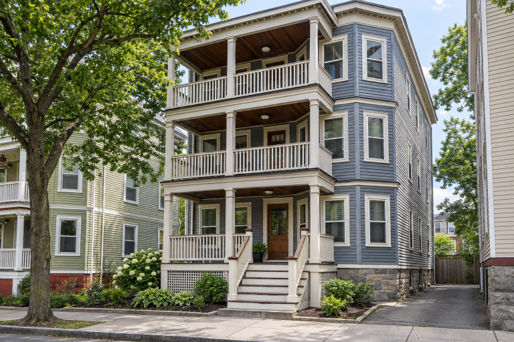
Look for someone who can connect a listing to the way you’ll use the home. For a Dorchester condo, that could mean walking your route to transit, checking how the listing describes parking, and asking where you’d store a bike. Give candidates the same intersection and see which details they’d verify before recommending a showing.
3. A Search Built Around the Cost of Owning
An agent should be able to explain why two listings with similar prices can stretch your budget differently. In a hypothetical search, you find two Dorchester condos at the same asking price. One has lower monthly dues, but the association minutes mention roof work without a clear funding plan.
Ask the agent what the dues cover and which documents could show whether the owners have set aside enough money. Ask how the picture changes if the association charges each owner an extra share of the repair, called a special assessment. That comparison gives you something concrete to weigh alongside your must-haves before you commit to an offer.
4. Negotiation Based on Comparable Sales
Ask for a sample comparative market analysis (CMA), which uses recent sales of similar homes to help estimate what a property might sell for. In the condo example, a useful comparison would explain how the units differ in condition, parking, or outdoor space. An agent should also tell you where the evidence is thin.
Listen for how the agent would handle the possible roof expense in an offer discussion. They might suggest gathering more information before you set your price or talking through an inspection or document-review contingency. A contingency is a condition in the offer that protects you in specified circumstances.
5. Clear Communication When a Decision Is Due
Ask who will contact you if a listing moves up its offer deadline and your main agent is unavailable. Find out whether another team member can cover the showing and who will walk you through the terms. If you work irregular hours, agree on which messages need an immediate response and which can wait.
6. Buyer References That Describe the Work
Look for a buyer who can describe what the agent did when a decision got difficult. For example, did the agent spot an unanswered condo question, explain why it mattered, and follow up with the listing side? A specific account can tell you whether the service matches the help you’ll need.
7. A Plain Explanation of the Agreement
Ask the agent to show you the agreement before the first private tour. They should be able to explain what they’re agreeing to do, when the arrangement ends, and when you might owe their brokerage money. Use their draft to check whether the service they described in conversation is the service you’re hiring.
Read the Disclosure and the Buyer Agreement Separately
The Massachusetts disclosure tells you who the agent represents. A buyer representation agreement sets out the terms of the work you and the brokerage agree to. As of November 5, 2026, the state disclosure form says a licensee must provide it at the first personal meeting to discuss a specific property.
Under the National Association of REALTORS® practice change effective August 17, 2024, covered listing-service participants working with a buyer need a written agreement before an in-person or live virtual home tour. Ask the agent which rules apply to their brokerage and what they’ll ask you to sign.
Read the agreement for the services, properties covered, exclusivity, end date, and how you can exit. The NAR consumer guide to negotiating buyer agreements explains that compensation is negotiable. Ask how the fee is calculated and what you’d owe if the seller or listing brokerage pays only part of it.

Compare the Agents on the Same Home
If you’re still deciding how to find a buyer’s agent in Boston who fits your search, show each finalist the same listing. Ask what they’d check before a showing, which sale they’d use to discuss price, and what the agreement would cost you. Compare the answers alongside the written terms. If an exit or payment clause is unclear, talk to a Massachusetts real estate attorney before signing.
Frequently Asked Questions
Do I Need an Agent to Attend an Open House?
You can attend on your own. The NAR open house guide explains that visiting independently or asking about an agent’s services doesn’t trigger its written buyer agreement requirement.
Can I Hire an Agent for Just One Property?
You can ask a brokerage for an agreement covering a single address. The brokerage has to agree to that scope, so check what help is included and when the agreement expires.
Can Someone From the Same Brokerage Represent the Seller?
The state disclosure describes designated agency, where a named agent represents you and another agent at the same firm may represent the seller. Ask the brokerage to identify who would represent each side and explain how it would handle your confidential information.
Bring One Listing to a Buyer Consultation
If you’re deciding how to find a buyer’s agent in Boston, bring one listing and your comfortable monthly budget to the conversation. Sarah Rodewald’s approach starts with comparable sales, then looks at the cost of ownership, the property’s condition, and what could affect its value. Talk with Sarah about what she’d check on that listing before you decide whether to tour or make an offer.